
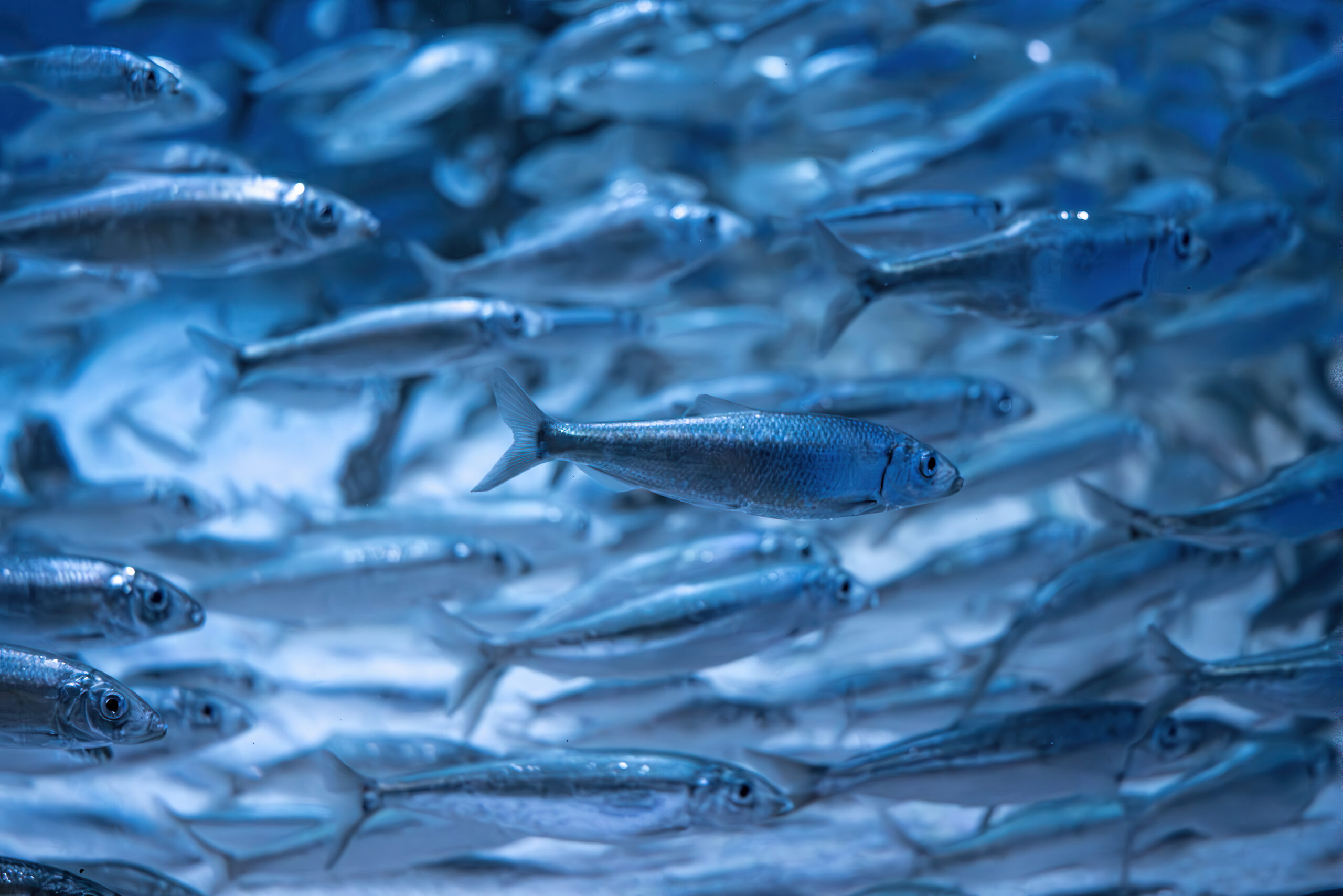
Traditionally, most long-chain omega-3 fatty acids used in food supplements and aquaculture feed have been obtained from fish oil derived from marine fish species such as anchovies, sardines, and mackerel. These fish accumulate omega-3 fatty acids by feeding on microalgae at the base of marine food chains.
However, increasing global demand for omega-3 fatty acids has raised concerns about the long-term sustainability of relying exclusively on marine resources. Marine ecosystems are complex, and many fish species used for fish oil production play important roles in ocean food webs.
At the same time, the rapid expansion of aquaculture has significantly increased the demand for omega-3 fatty acids used in fish feed. Ensuring a stable and sustainable supply of these compounds has therefore become a major challenge for both industry and policymakers.
Biotechnology offers promising alternatives. Microorganisms such as microalgae and certain oleaginous microbes naturally produce omega-3 fatty acids and can be cultivated in controlled systems. These biotechnological approaches make it possible to produce valuable lipids without relying on marine fish stocks.
The ONE EARTH project explores how residues from animal-based food systems can contribute to these sustainable production pathways. Within the project’s integrated biorefinery concept, organic residues are processed to produce intermediate compounds that support microbial production of PUFA-rich biomass.
Developing such innovative approaches supports the objectives of the EU Circular Economy Action Plan and the European Bioeconomy Strategy, which promote sustainable use of biological resources.